English
 العربية
 Francés
 Русский
 Português
 Deutsch
 Italiano
 Kazakh
 Uzbek
Uzbek

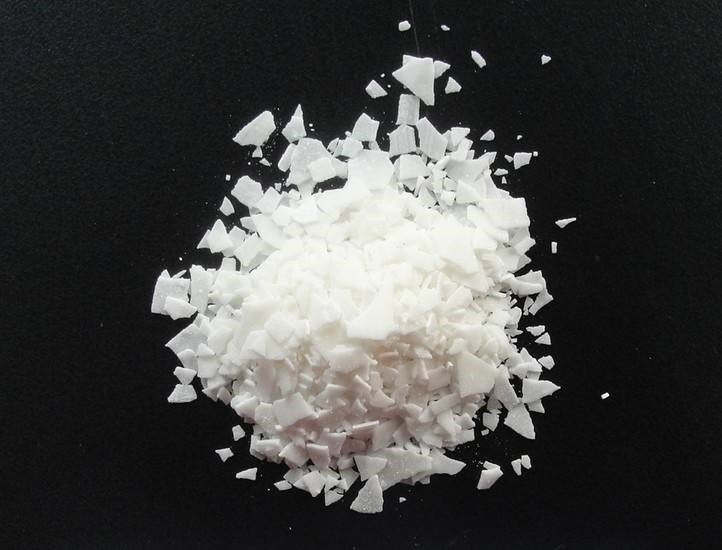
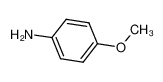
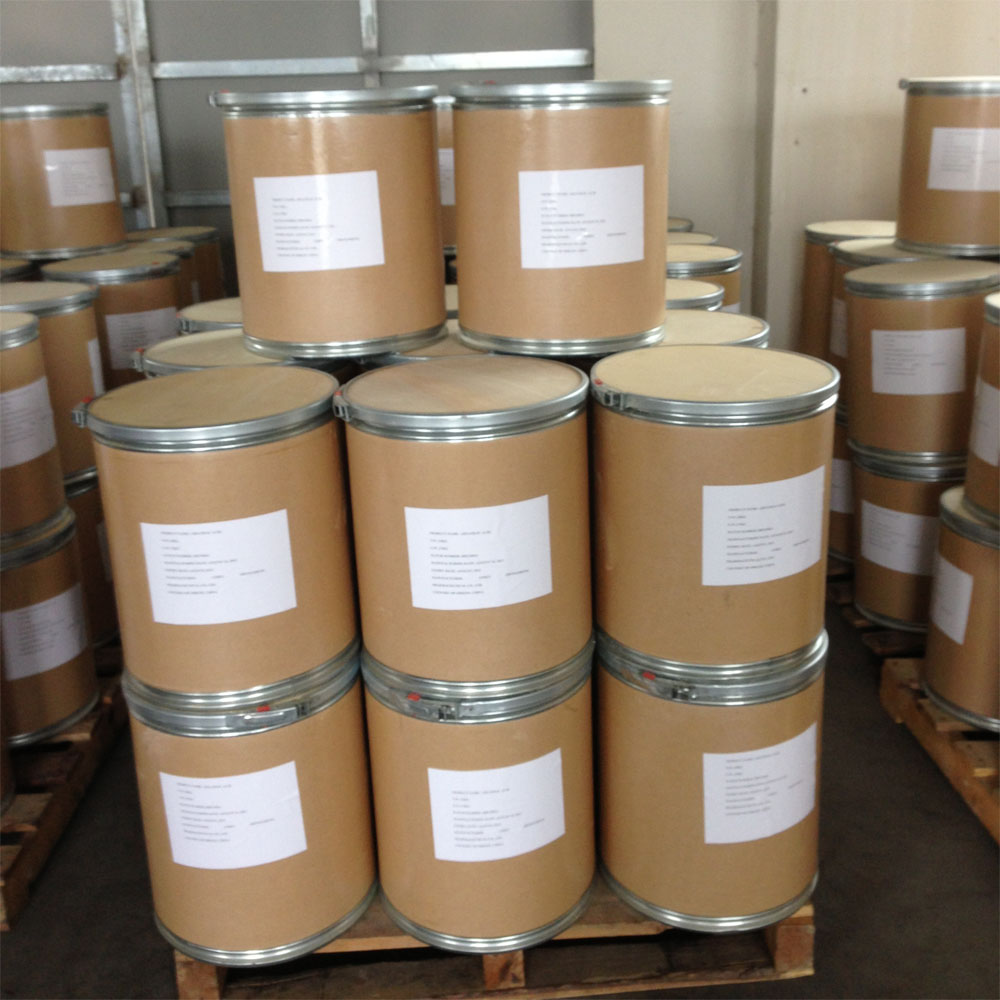
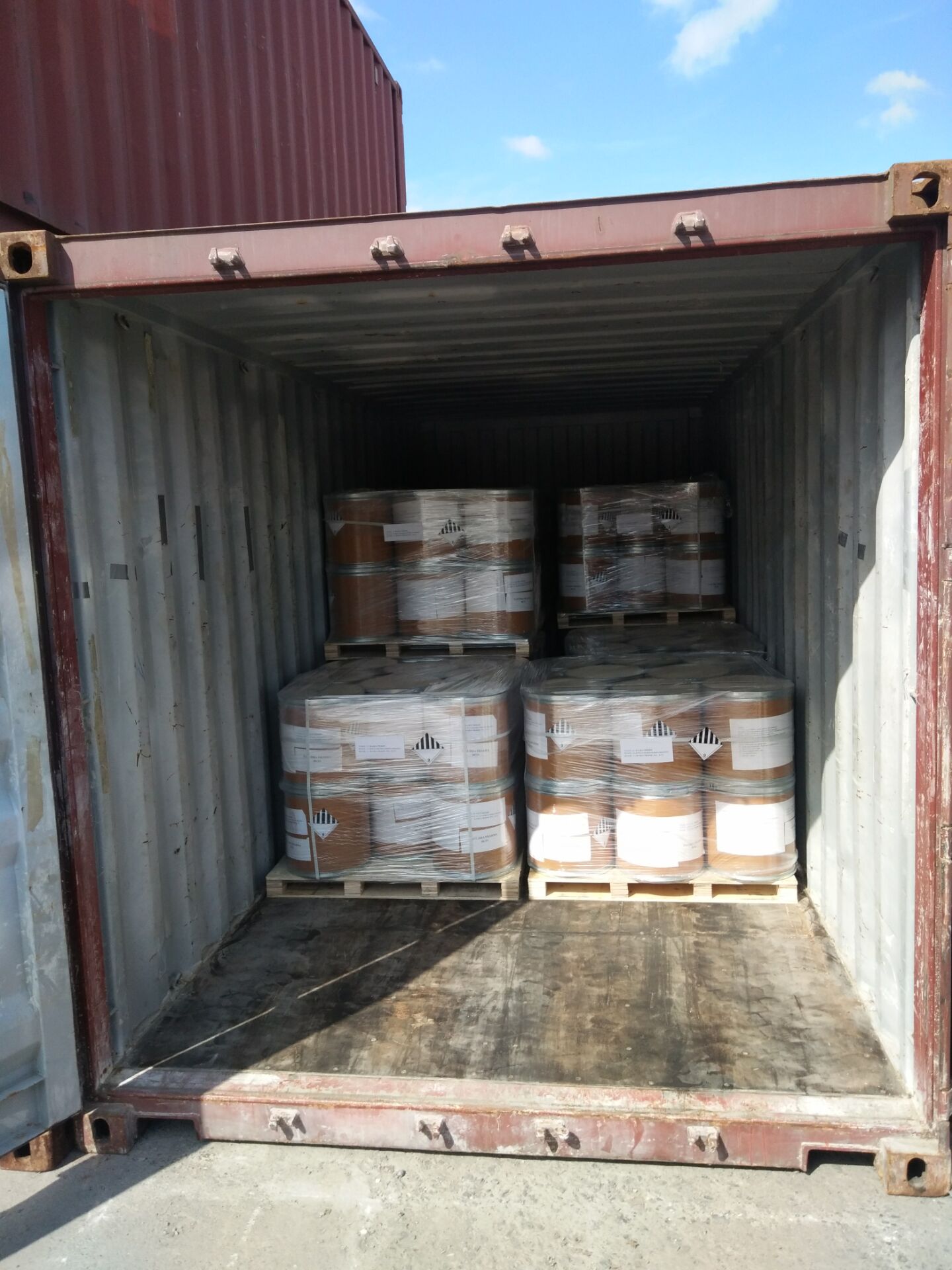
p-Anisidine CAS#104-94-9
CAS Number: 104-94-9
Chemical Formula: C7H9NO
Synonyms:
4-Methoxy-1-aminobenzene
1-Methoxy-4-amino-benzen (p-anisidin)
1-Methoxy-4-amino-benzene / p-anisidine
MOQ (Minimum Order Quantity): 1 FCL (Full Container Load)
Appearance: White Powder
p-Anisidine CAS#104-94-9
P-anisidine is a substituted aniline that is aniline in which the hydrogen para to the amino group has been replaced by a methoxy group. It is used as a reagent for the detection of oxidation products such as aldehydes and ketones in fats and oils. It has a role as a reagent and a genotoxin. It is a member of methoxybenzenes, a substituted aniline and a primary amino compound.
p-Anisidine Chemical Properties |
Melting point | 56-59 °C(lit.) |
Boiling point | 240-243 °C(lit.) |
bulk density | 700kg/m3 |
density | 1.06 |
vapor density | 4.28 |
vapor pressure | 0.02 hPa (20 °C) |
refractive index | 1.5559 |
Fp | 122 °C |
storage temp. | Store below +30°C. |
solubility | 21g/l |
pka | 5.34(at 25℃) |
form | crystalline |
color | dark gray to brown |
Specific Gravity | 1.07 |
PH | 7.7 (1g/l, H2O, 20℃) |
Water Solubility | 21 g/L (20 ºC) |
Merck | 14,667 |
BRN | 471556 |
Henry's Law Constant | (x 10-8 atmm3/mol): 6.62 at 25 °C (thermodynamic method-GC/UV spectrophotometry, Altschuh et al., 1999) |
Exposure limits | NIOSH REL: TWA 0.5 mg/m3, IDLH 50 mg/m3; OSHA PEL: TWA 0.5 mg/m3; ACGIH TLV: TWA 0.1 ppm (adopted). |
Dielectric constant | 8.8399999999999999 |
Stability: | Hygroscopic, Material Darkens In Storage With No Loss In Purity |
InChI | 1S/C7H9NO/c1-9-7-4-2-6(8)3-5-7/h2-5H,8H2,1H3 |
InChIKey | BHAAPTBBJKJZER-UHFFFAOYSA-N |
SMILES | COc1ccc(N)cc1 |
LogP | 0.950 |
CAS DataBase Reference | 104-94-9(CAS DataBase Reference) |
IARC | 3 (Vol. 27, Sup 7) 1987 |
NIST Chemistry Reference | Benzenamine, 4-methoxy-(104-94-9) |
EPA Substance Registry System | p-Anisidine (104-94-9) |
Safety Information |
Hazard Codes | T+,N,Xi |
Risk Statements | 45-26/27/28-33-50 |
Safety Statements | 53-28-36/37-45-61-28A |
RIDADR | UN 2811 6.1/PG 3 |
OEB | C |
OEL | TWA: 0.5 mg/m3 [skin] |
WGK Germany | 2 |
RTECS | BZ5450000 |
F | 8 |
Autoignition Temperature | 959 °F |
TSCA | TSCA listed |
HazardClass | 6.1 |
PackingGroup | III |
HS Code | 29222200 |
Storage Class | 6.1A - Combustible acute toxic Cat. 1 and 2 |
Hazard Classifications | Acute Tox. 1 Dermal |
Hazardous Substances Data | 104-94-9(Hazardous Substances Data) |
Toxicity | Acute oral LD50 for rats 1,400 mg/kg, mice 810 mg/kg, rabbits 2,900 mg/kg (quoted, RTECS, 1985). |
IDLA | 50 mg/m3 |
Product Application of p-Anisidine CAS#104-94-9
p-Anisidine is used as a reagent to indicate the secondary stage of the oxidation, it is one of the three possible isomers of the Anisidine or methoxyaniline. The other two isomers are o-Anisidine (2-methoxyaniline) and m-Anisidine (3-methoxyaniline).
The p-anisidine is widely used as an intermediate in the production of numerous azo and triphenylmethane dyes, and pigments. It is also used in the production of pharmaceuticals including the guaiacol expectorant, as an antioxidant for polymercaptan resins, and as a corrosion inhibitor for steel. Apart from the beneficial use of p-anisidine, it is toxic for human beings. The acute exposure may cause skin irritation, whereas the chronic exposure may cause headaches, vertigo, and blood complications like sulfhemoglobin, and methemoglobin. The oral exposure to anisidine hydrochloride resulted in cancer of the urinary bladder in male and female rats.
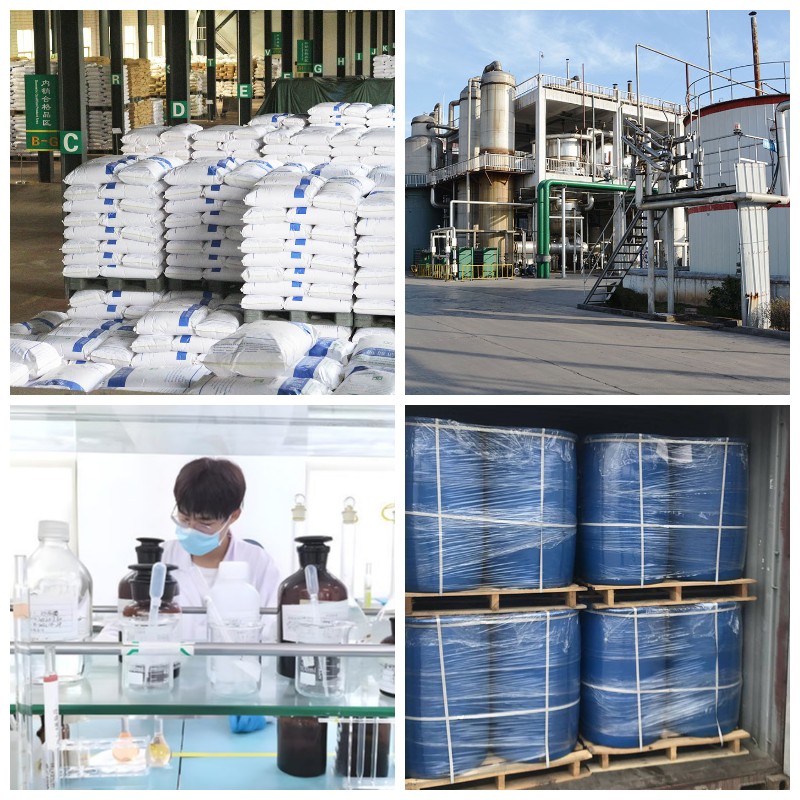
Fact Factory and Equipment Show
Fast delivery time
Inventory 2-3 working days New production 7-10 working days